9:415G
SUMPSENSEOverbuilt Home
LIVE
Sump pumptap for more
4%of the time pumpingLast ran 3 min ago
Keeping up easilyRunning about every 7 min, 14 s at a time.
Last cycle14 s
Rest7 min
Coming in0.7 gal/min
Last runtoday
11:24 AM
Pump runslast hour · 9 runs

Green

Keeping up. Go back to sleep.

One number: how much of the time your pump is running. Under 35%, it's handling the water with room to spare.

Yellow

Busy. Get the backup ready.

Between 35% and 50%, water is coming in fast. SumpSense tells you while there's still time to stage a backup pump.

Red

Put the backup in. Now.

Past 50%, the water is winning. Your phone gets the alert before the basement floor does.

Your sump pump works alone.
In the dark. Until it doesn't.

It runs often, in a pit nobody looks at. When it falls behind, the first sign is usually water on the floor.

The problem

You can't see it.

A pump that's struggling sounds exactly like one that's fine, from two floors up.

The feeling

You're on edge every storm.

A forecast for this weekend and you're already wondering: is this the one? Is everything down there about to get ruined?

The truth

You shouldn't have to guess.

Your pump already knows how it's doing. It just had no way to tell you.

How it works

It feels every run.
Nothing touches the water.

One small sensor on your pump's pipe. Everything else happens on your phone.

1 of 6

Water comes in.

After rain, and near the shore at high tide and full moon, the water under your house rises and flows into the pit.

2 of 6

The pump kicks on.

The float lifts and the pump pushes the water up the discharge pipe and out of the house. Most people never see this part.

3 of 6

SumpSense feels every run.

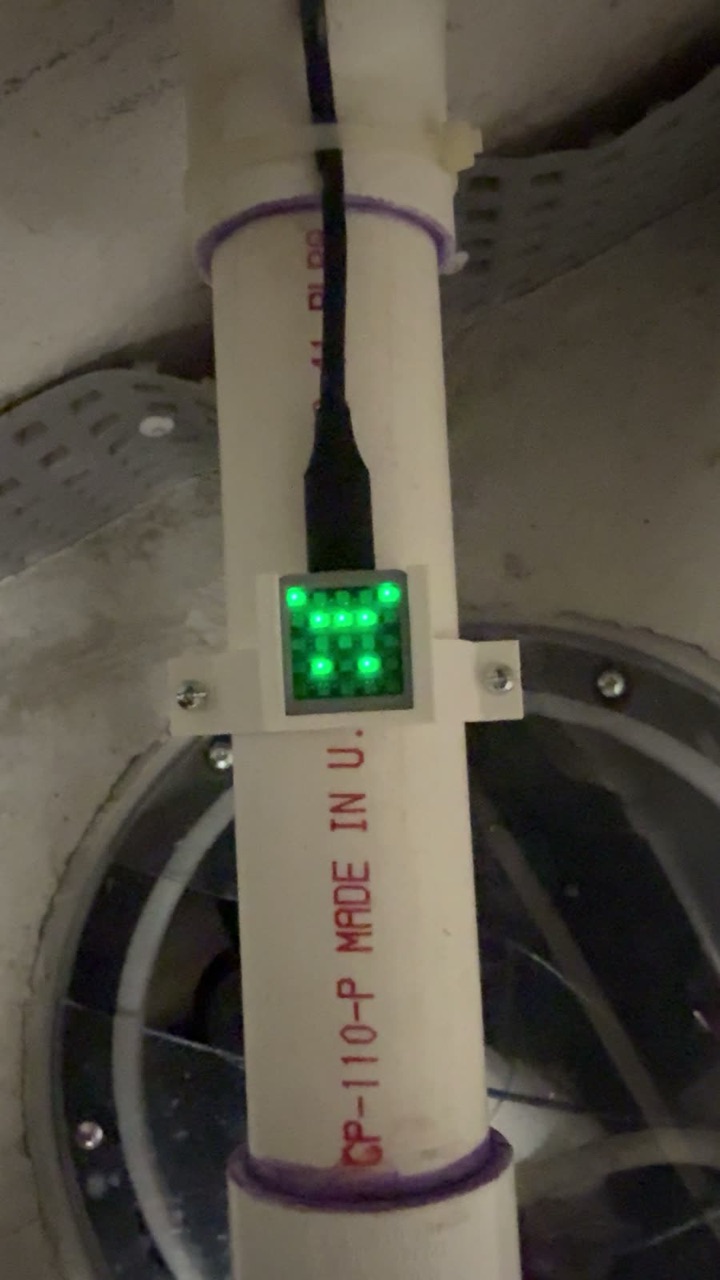
The sensor clips to the outside of the pipe. When water rushes through, the pipe shakes, and it lights up. Nothing touches the water.

4 of 6

Every run goes on the record.

When it ran, how long, how long it rested and how much water it moved, backed up to our cloud.

5 of 6

It learns your house.

Your pump's normal rhythm, and how your pit answers rain, tides and the moon. So it can tell you to get ready before the storm.

6 of 6

And it tells you when something's wrong.

A pump stuck on, a power outage, a pump that should have run and didn't, and a reminder when it's time to test the backup.

Rain and tide

1.4 inrain in the last 24 h
9:42 PMhigh tide
Fullmoon
1.2 gal/mincoming into the pit

Pump

6%of the time pumping
Running now

Pump

6%of the time pumping
Running now · 14 s

Pump runs · last hour

128runs today
1,870gallons

Tonight

38%expected at the peak
Get the backup pump ready. 1.8 in of rain and a high tide at 11 PM. The last storm like this pushed your pump to 41%.

Alerts

Pump stuck onRunning 3 min straight. Normal is 14 s.
Power is outThe backup battery took over at 2:14 AM.
Quiet after rainNo runs in 6 h after 0.6 in of rain.
Time to test the backupLast tested 90 days ago.

It learns your house.
All of it.

Your pump, your pit, the water under your house, and the rain, tides and moon above it. SumpSense puts it all together into a picture of your home no other alarm has.

Your pump

14 s

How long a normal run lasts, how long it rests and how much water it moves.

Your pit

0.8 gal/min

How fast it fills, and how that changes through the seasons.

Your water table

41% peak

How hard your pump worked in past storms, after rain, high tides and full moons, and how long the water took to settle.

Your setup

14.2 V

Your backup pump and its battery, your power, and the sensor itself.

So it knows when something isn't right.
And when to get ready.

Alerts no simple sump alarm can give you, because they come from what's normal at your house.

Pump stuck on

A float jammed or a switch stuck. When a run goes far past your pump's normal length, you get a critical alert before the pump burns itself out.

Falling behind

When the pump is running more than a third of the time, get the backup ready. Half the time, put it in.

Power out or a tripped breaker

The battery monitor sees the charger stop and the backup pump take over. A pump circuit that goes dead shows up as a pump that stopped running.

Should have run, didn't

It learns how your pit answers rain. If it rains and the pump stays quiet, something's wrong, and you'll know.

Storm coming

Forecast rain, high tides and full moons, read against how your house handled storms like it.

Maintenance, on schedule

Reminders to test the backup pump, check the battery and look at the float and check valve. Mark it done in the app.

"The float stuck and the pump wouldn't shut off. My phone told me it had been running for minutes instead of seconds. I was home in 8 minutes. It was sucking air. The pump survived."

Steve, co-founder, about his own basement

Everything your pump does.
Nothing you have to think about.

Every run, on the record.

See when it ran, for how long, and how long it rested. Pinch the graph to zoom into any storm.

How much water was that?

Pick how you want it told: accurate, humorous or outlandish.

AccurateHumorousOutlandish
◡

This week you pumped 12,700 gallons. That's about 820 kegs of beer.

The backup, watched too.

A second sensor reads your battery backup pump's battery and tells you before it lets you down.

14.2 VOn the charger · topped up
11 V1212.61314.6
Power goes out The charger stops: you hear about it
Backup pump runs The water got high
Battery falling fast Time to replace it

Rain from right down the road.

Pick the rain station closest to you, or connect your own rain gauge or rain collection system.

Monmouth Executive Airport 6 mi · reporting
Trenton-Mercer Airport 42 mi · reporting
Your own rain gauge connect

Built on our own basement.

The first SumpSense has watched one very busy pump at the Jersey Shore since October 23.

17,556runs recorded
113,283gallons pumped
1,717runs on its busiest day
2×readings a second

Read why we built it ›

Know before the basement does.

SumpSense is in testing now. Get on the list for the first sensors.

One email when sensors are ready. No spam.

Our story

We bought a house
with a river under it.

Grandpa built it. For years, Grandma lay awake during storms, sure it would float away.

Steve's grandfather built this house near the Manasquan River. His grandmother lived in it for years, and every time a big storm came through, she lay awake, certain this was the one that would carry it off.

When she passed away, we bought it. It's the house Grandpa built, and that means a lot to us. It also came with something nobody put in the listing: water, right under the basement floor, and a sump pump in the corner that runs and runs.

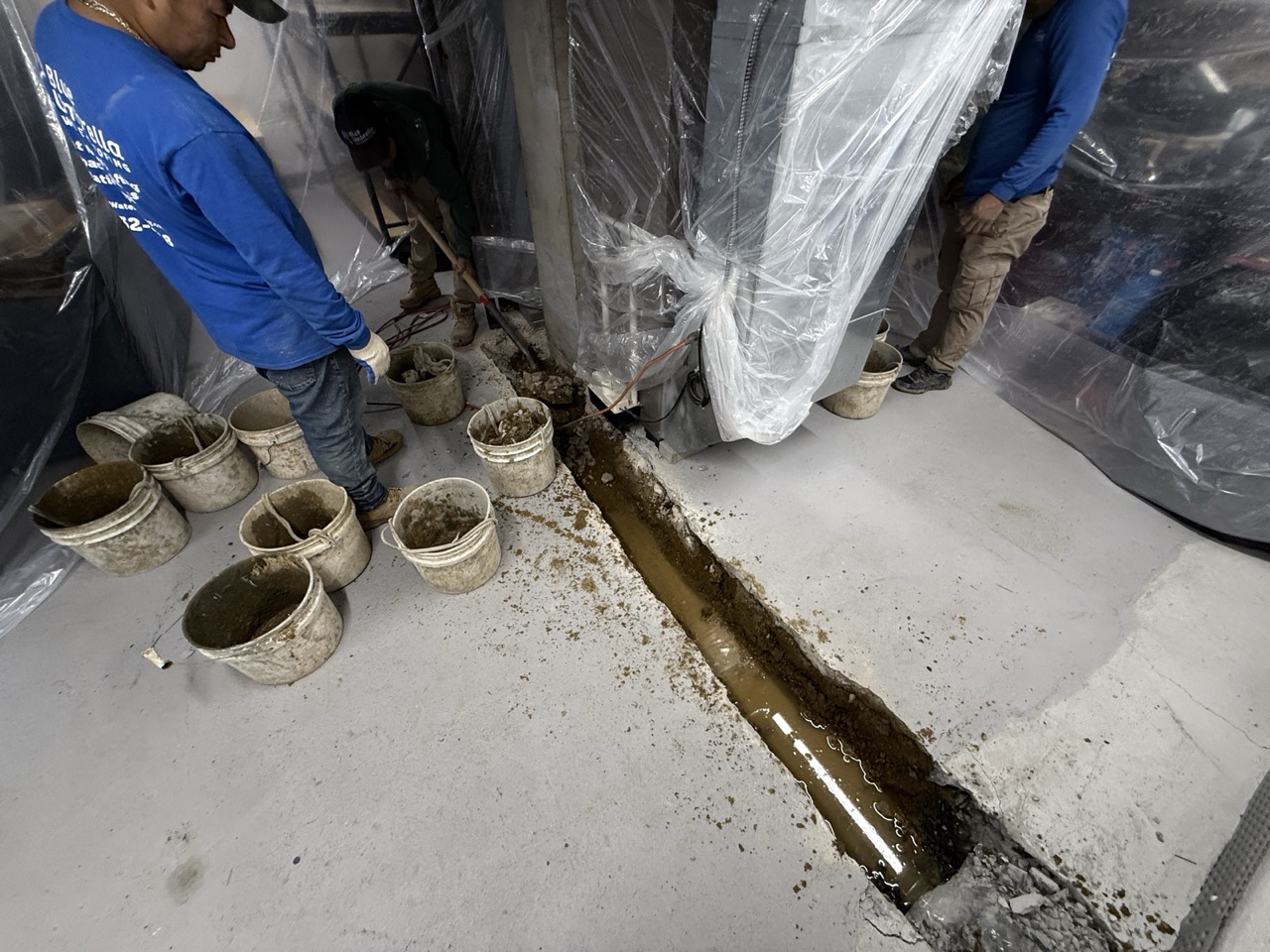
Workers trench the basement floor; the open trench fills with brown water beside buckets of mud
Cut a trench in the floor and it fills with water on its own.
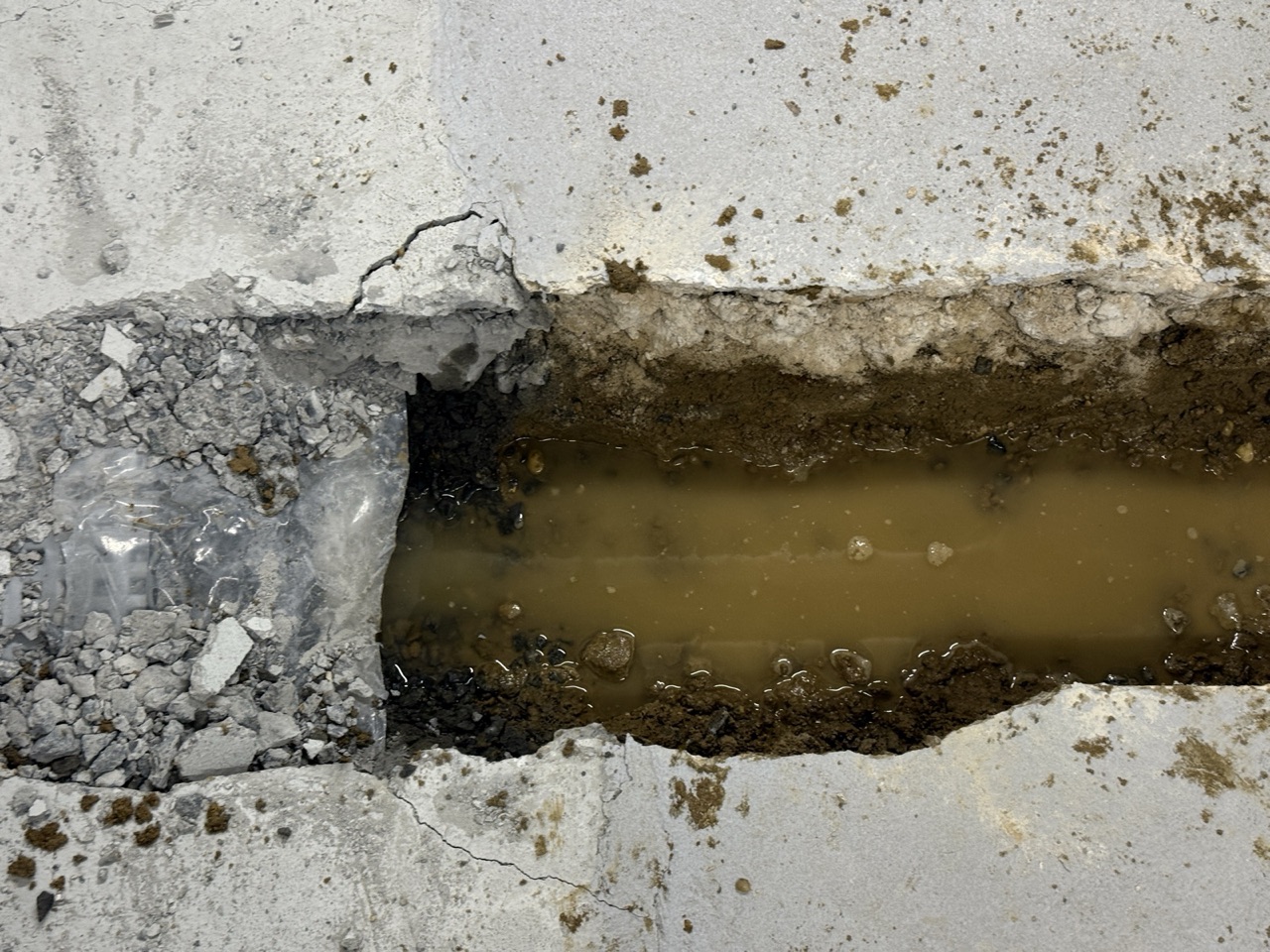
Close-up of the open trench in the concrete floor, full of muddy water
That's the water table, a few inches down.

It didn't take long to understand how Grandma felt.

A forecast for this weekend, and you're already on edge.

Is this the storm? Is the pump keeping up? What if nobody's home? Is everything down there about to get ruined? We put in a new French drain. We did everything we could to get it under control.

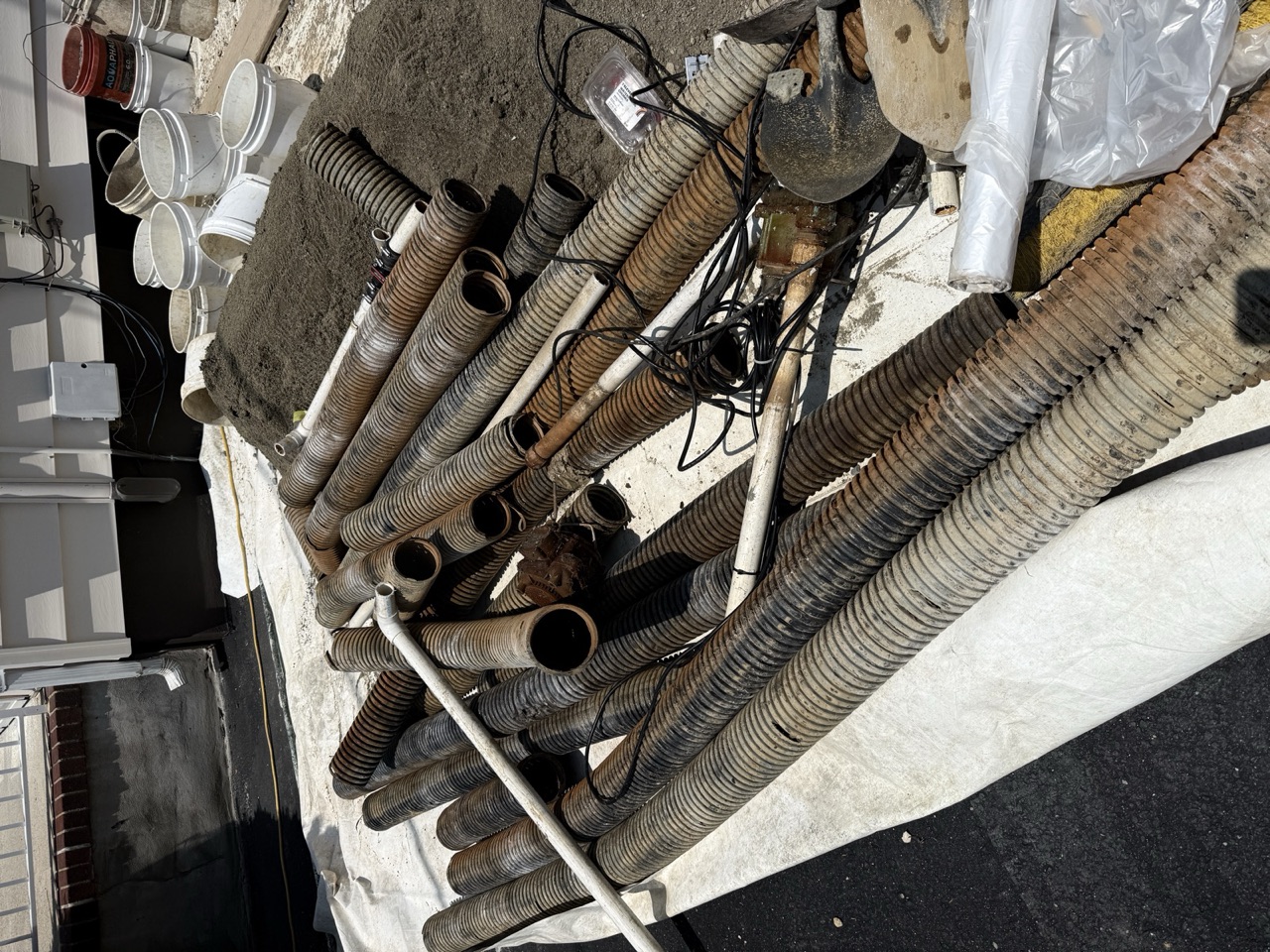
A pile of old corroded corrugated drain pipe on a tarp outside the house
The old drain, dug out.
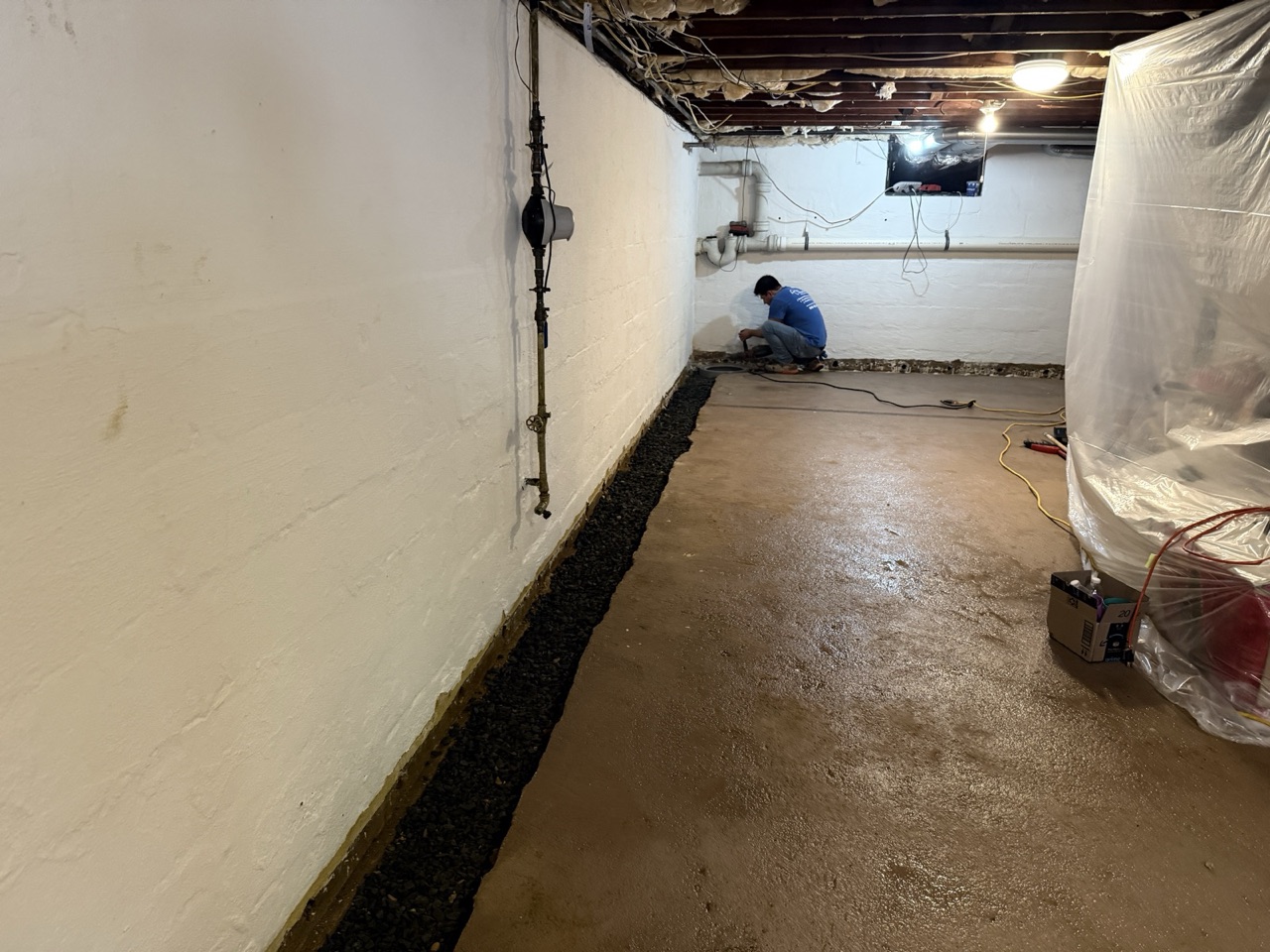
A long basement wall with a fresh trench of black stone along its base
The new one, along every wall.
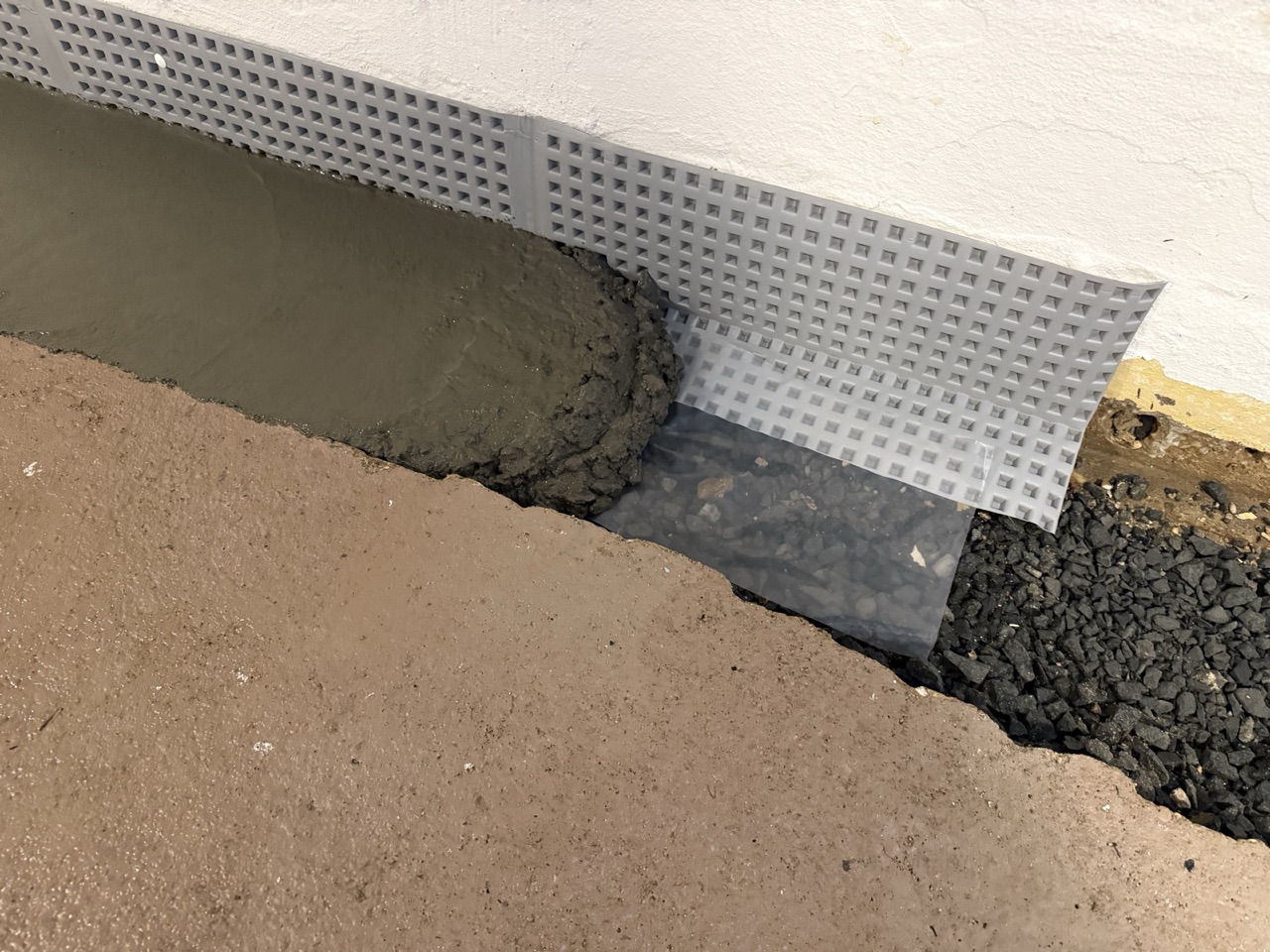
Dimpled drain board against the wall over stone, with new concrete poured beside it
Drain board, stone, new concrete.

It still wasn't enough to stop the worrying, because the pump lives in a pit in the dark, and a pump that's falling behind sounds exactly like one that's fine.

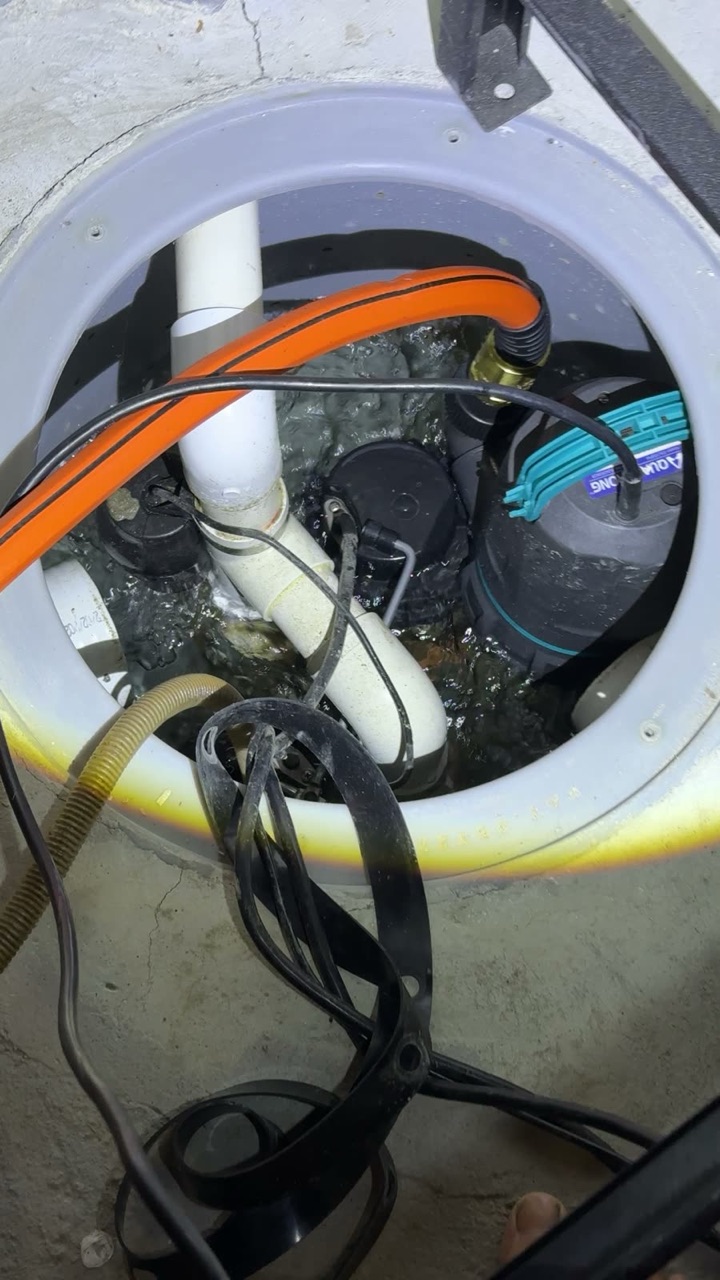
Looking down into the sump pit: water churning around the pumps
The pit in a storm. From up here, you can't tell if it's keeping up.
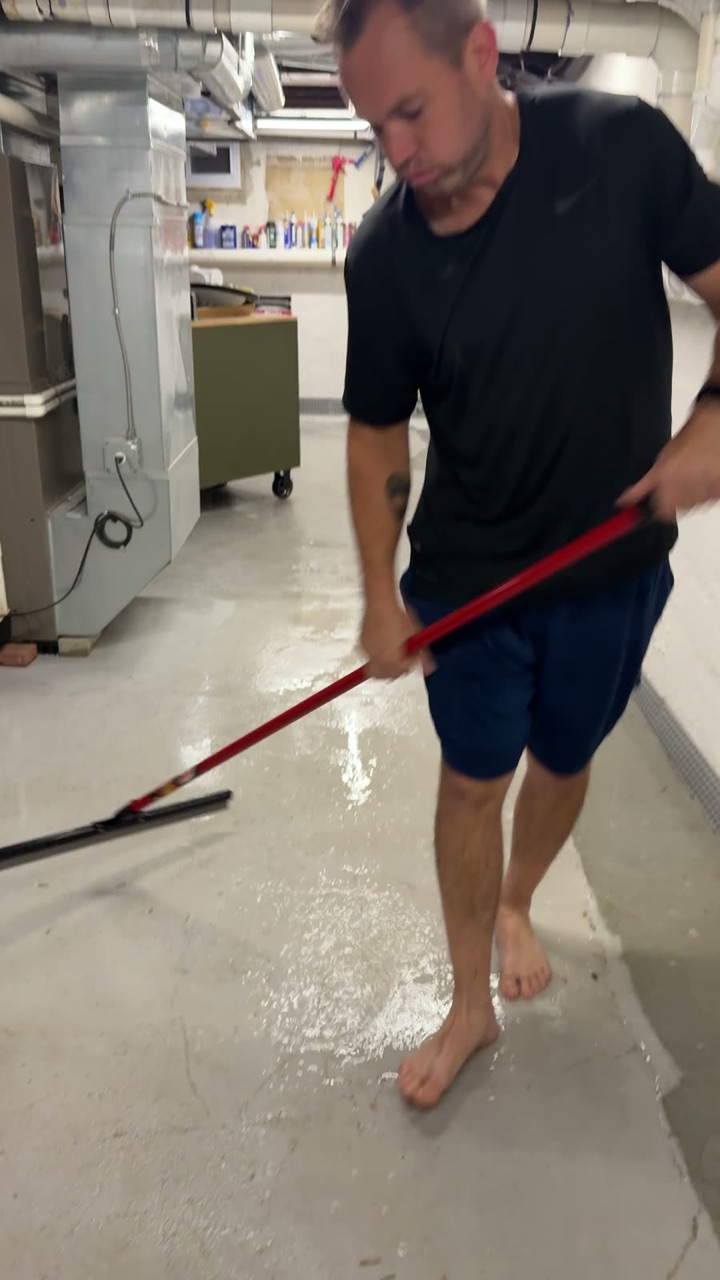
Steve squeegees water across a wet basement floor
And when it doesn't, you find out like this.

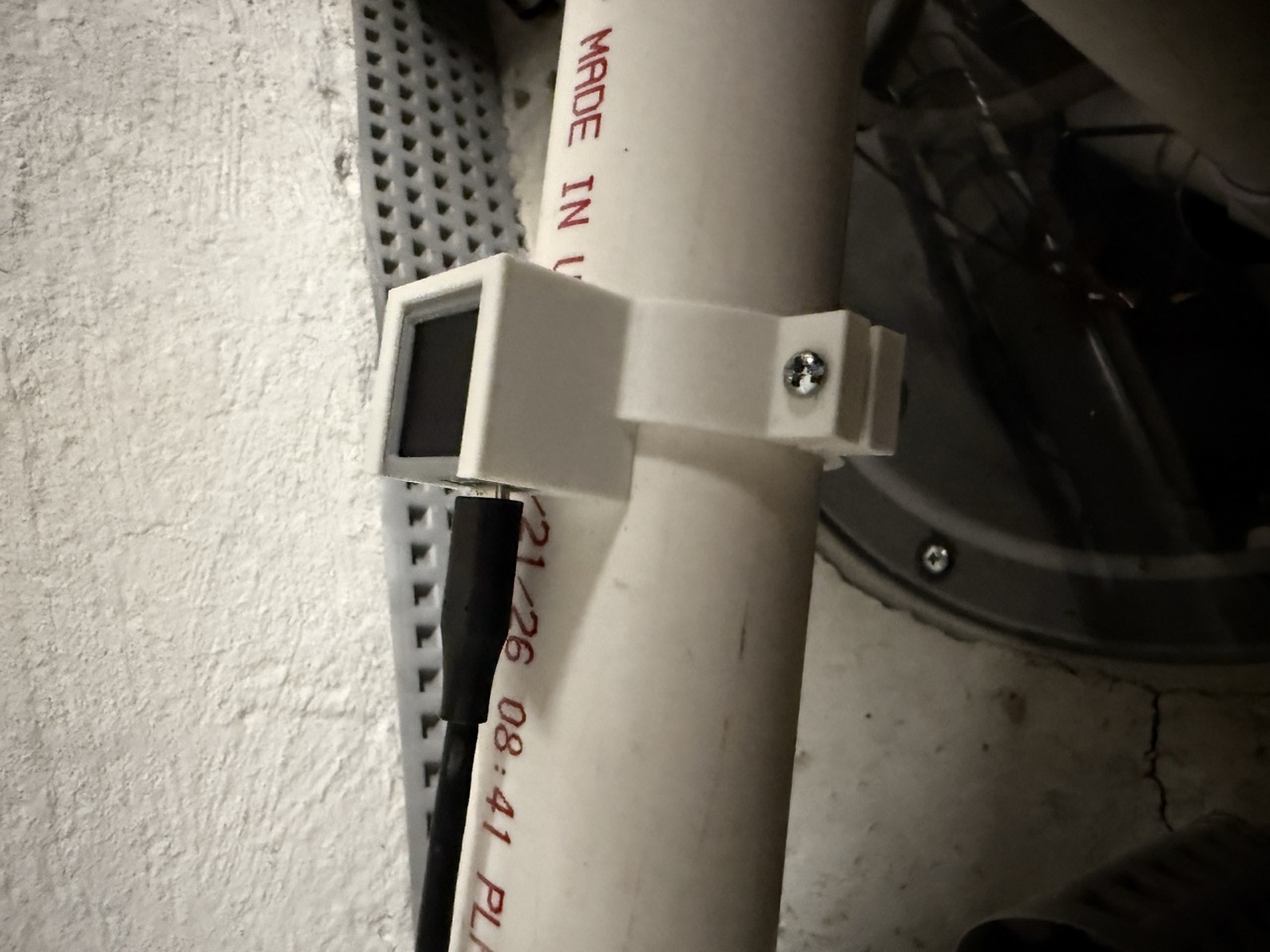
So Steve strapped a vibration sensor to the pump's pipe, just to see. It worked. It caught every run, and he got a little too excited about it. Kevin Zeigler, his brother-in-law and an amateur 3D printing enthusiast, printed a bracket so the sensor wouldn't move. Together they turned a pipe and a sensor into a number on a phone: green, yellow or red.

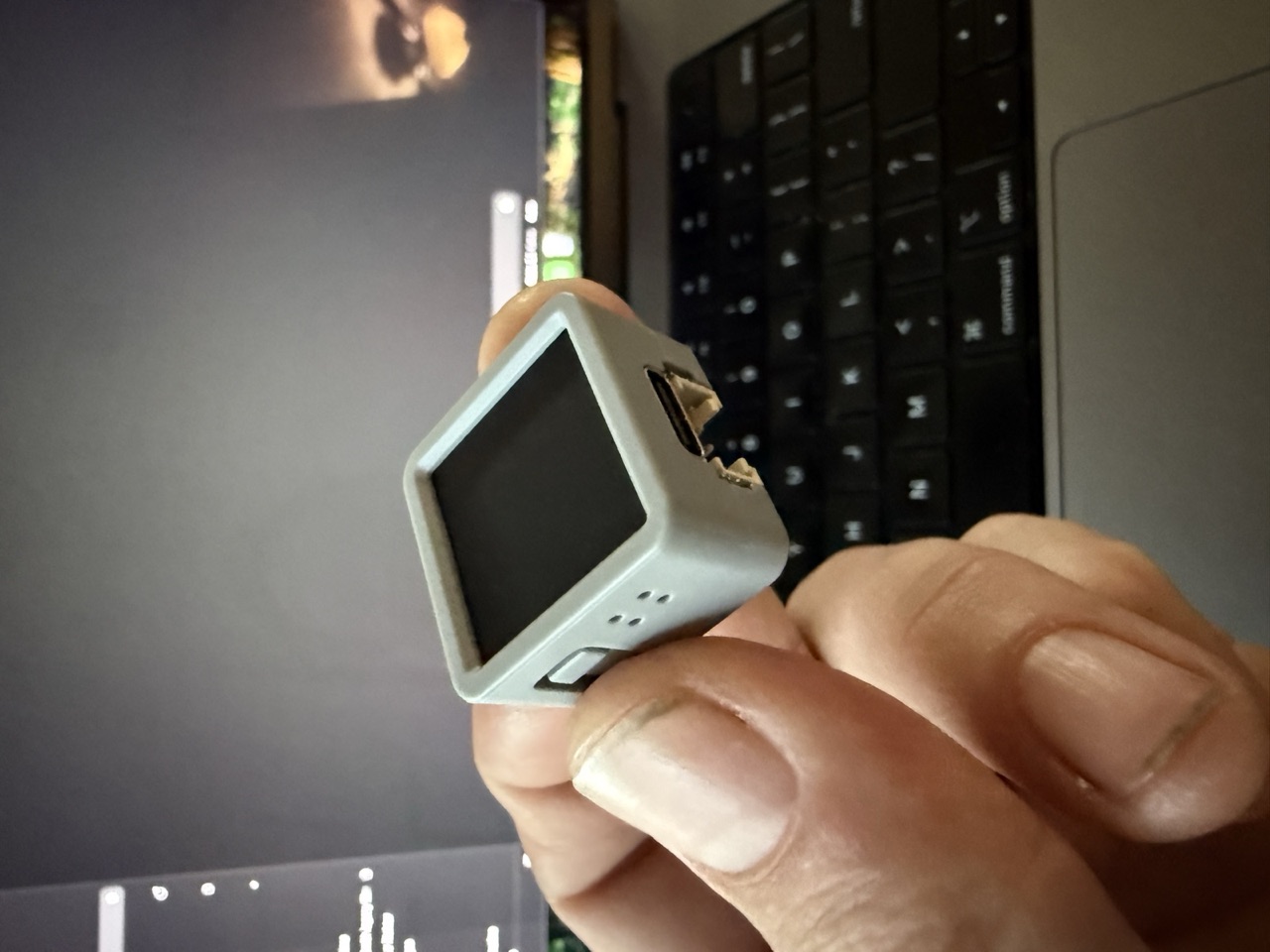
The prototypeEarly build. The design will change before it ships.

The small square sensor held between a thumb and finger
The prototype sensor, about an inch across.
The sensor in a white 3D-printed bracket clamped to the white discharge pipe
In Kevin's bracket, on the discharge pipe.
Live
The pump kicks on. It lights up.

In its first month it counted 17,556 runs and more than 113,000 gallons. It knows how hard the pump is working, when a storm is on the way, and how the rain, the tides and the moon move the water under the house. The longer it runs, the better it knows that house.

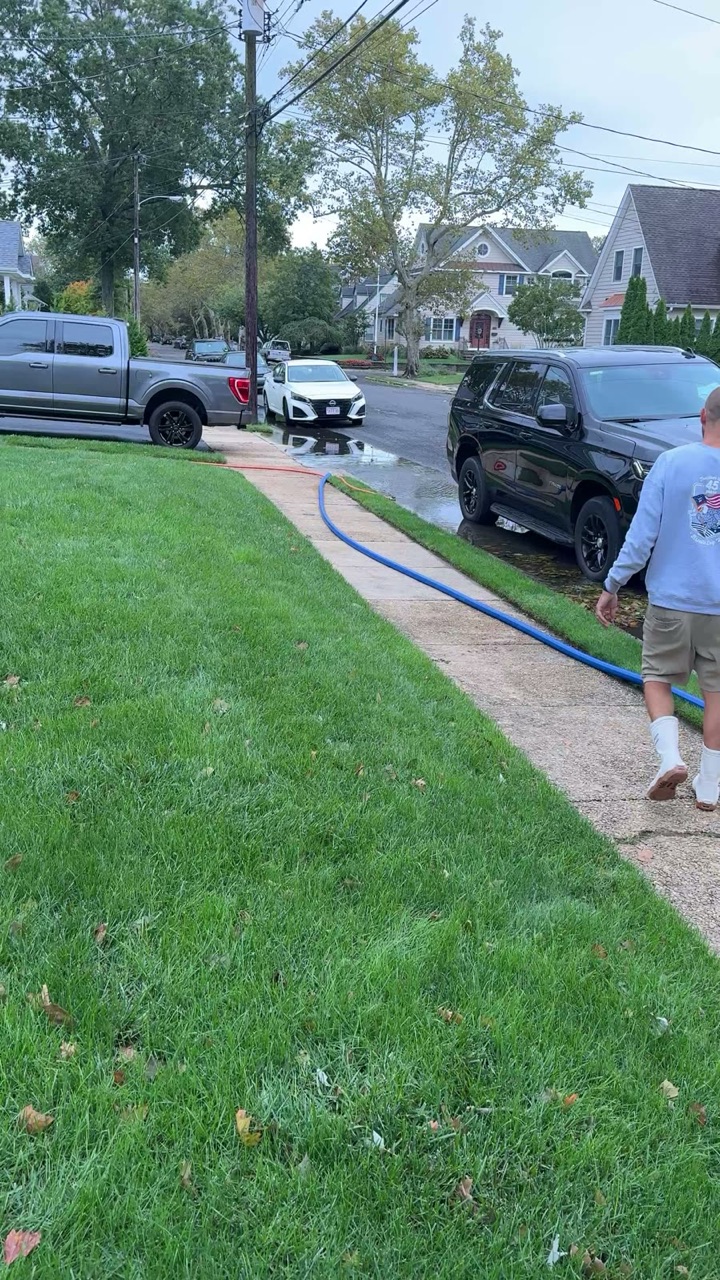
Now when a storm is coming, we don't guess. We check the number. If it says get the backup pump ready, we set the auxiliary pump in the pit and run its hose out to the street, so the two pumps can keep up together.

A blue discharge hose runs along the front lawn and sidewalk to the flooded street
The aux pump's hose, out to the street, before the rain.

We do it before the rain, not at 2 AM. And then we go to sleep, which is all Grandma ever dreamed about for that house.

S

Steve Govel

Co-founder. Overbuilds everything. Owns the basement in question.

K

Kevin Zeigler

Co-founder. Brother-in-law. Amateur 3D printing enthusiast.

Overbuilt Home

We build things to solve our own problems. We test them in our own houses until they work, and we do it the right way. Some are small fixes nobody asked for. Some save a basement. And some turn a storm in the forecast back into just the weather.